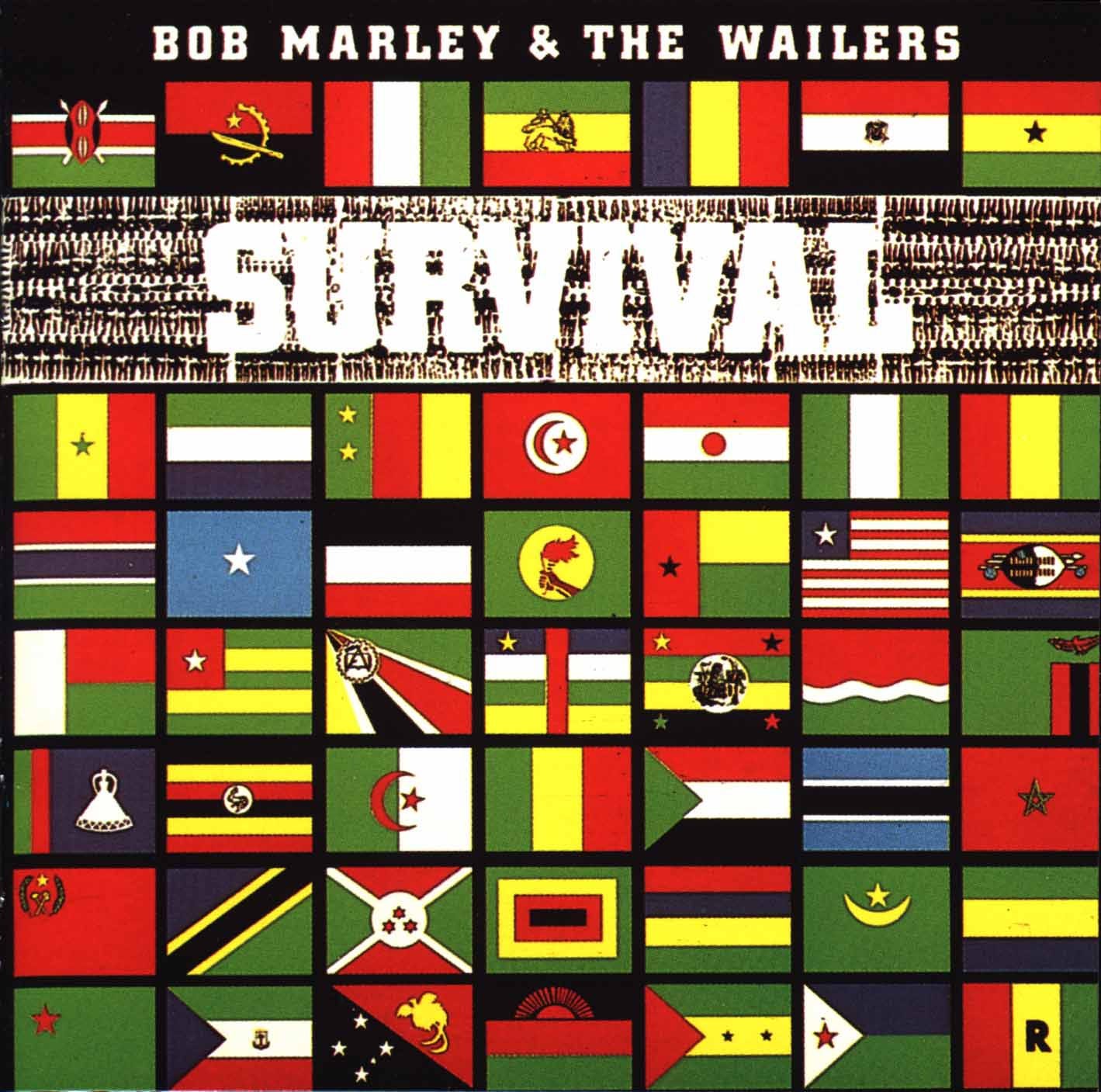
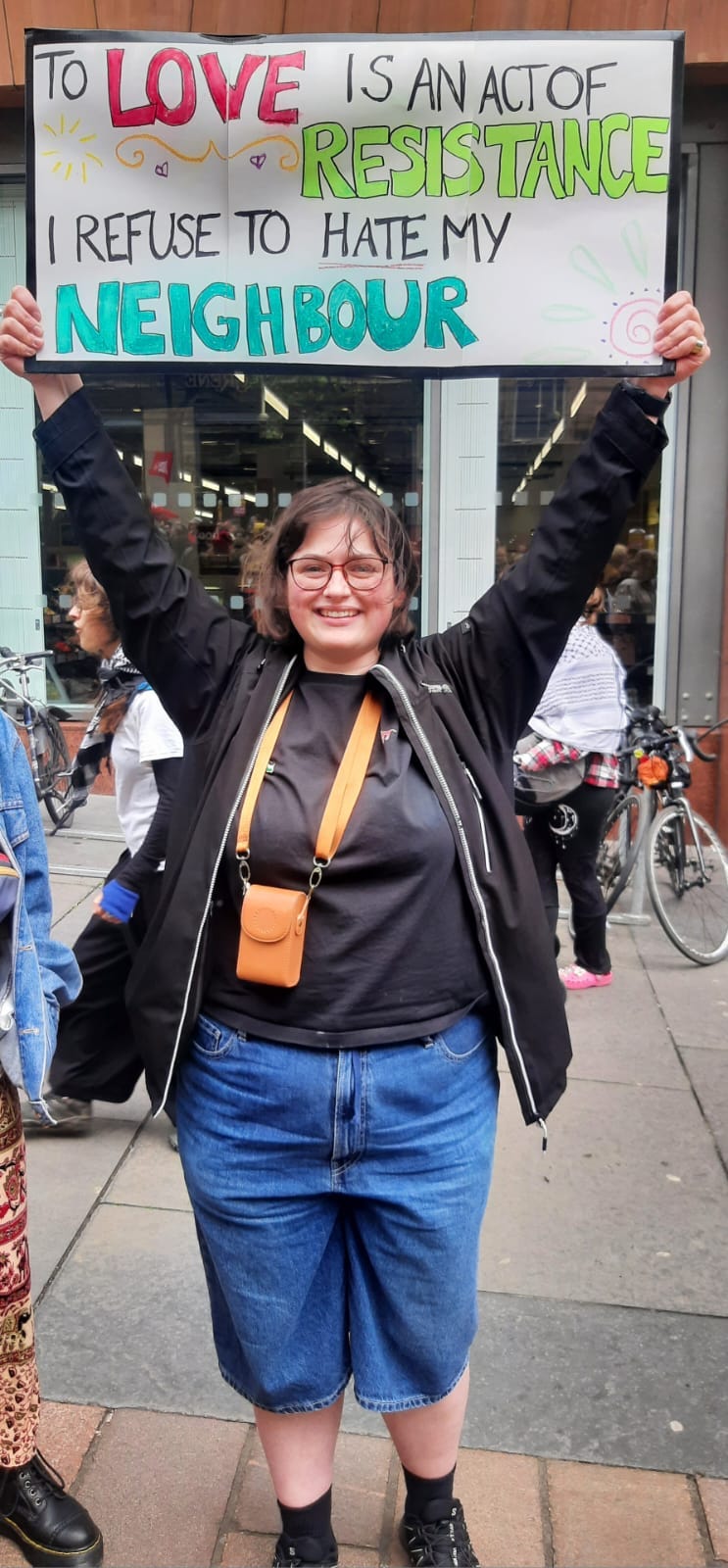
Once people had it. Then they lost it. How do we regain it? That is the question.
During the great British mineworkers strike of 1984-1985 I was a student at Oxford University. I spent many hours on solidarity protests and picket lines when I should have been studying.
After one year on strike the miners were defeated. Despite this, they marched back into the pits with their heads held high.
What I didn’t understand in 1985 was that the attack on the National Union of Miners (NUM), then Britain’s strongest trade union, was the first shots of a sustained assault on alternative centres of power and thought.
To set the market free, to exploit people and plunder the environment without restraint, the neo-liberals had to break alternative sources of social power.
First the trade unions.
Then the left political parties.
Then the liberation movements.
Then the media.
The end result of three decades of unchaining the market is evident in the grotesque morally deformed frankenstein of Elon Musk who recently popped up in Times Square.
The elites and oligarchs are conspiring to prevent this from becoming an organised joined-up force to challenge their power.
How the 99% build and sustain power, how we turn revolt into political organisation, is arguably the greatest challenge of our time. Trade unions must be reinvigorated, but that will not be enough.
We need new energy. New imagination. Connection.
Care.
Celebration.
Resonance and believability.
What will not do is more inward-looking huffing and puffing about socialism, and debates amongst the already converted about who is more Marxier than thou. What we need is action on “bread and roses.”
In Blindboy’s interview with psychiatrist Veronica O’Keane, O’Keane points to the connection between a high prevalence of undiagnosed psychoses in the population, ‘delusions’ as a common symptom of neuroses, and the unprecedented population level vulnerability to conspiracy theories.
It made me realise that some of the leaders of hate movements may be people who are themselves unwell, exploiting a population that lives with anxiety and depression, and is vulnerable to ‘conspiracies’ that go against the grain of our brains and being.
In South Africa 10-15% of people live with a common mental health condition. 90% are undiagnosed and untreated.
In an unexpected way it reveals a connection between the need to dramatically expand access to mental health care services and the safety of democracy.
Do yourself a favour, and you will discover a wonderland of book-nooks in the least expected places.
Artivism: Simon Nkoli Lives! Simon Nkoli Saves!
Measured by lives saved, South Africa’s most power(full) social movement of the democratic era has been the Treatment Action Campaign. In the early 2000s TAC assembled people’s power, by building branches in communities worst affected by AIDS and poverty to take on Big Pharma and the South African government.
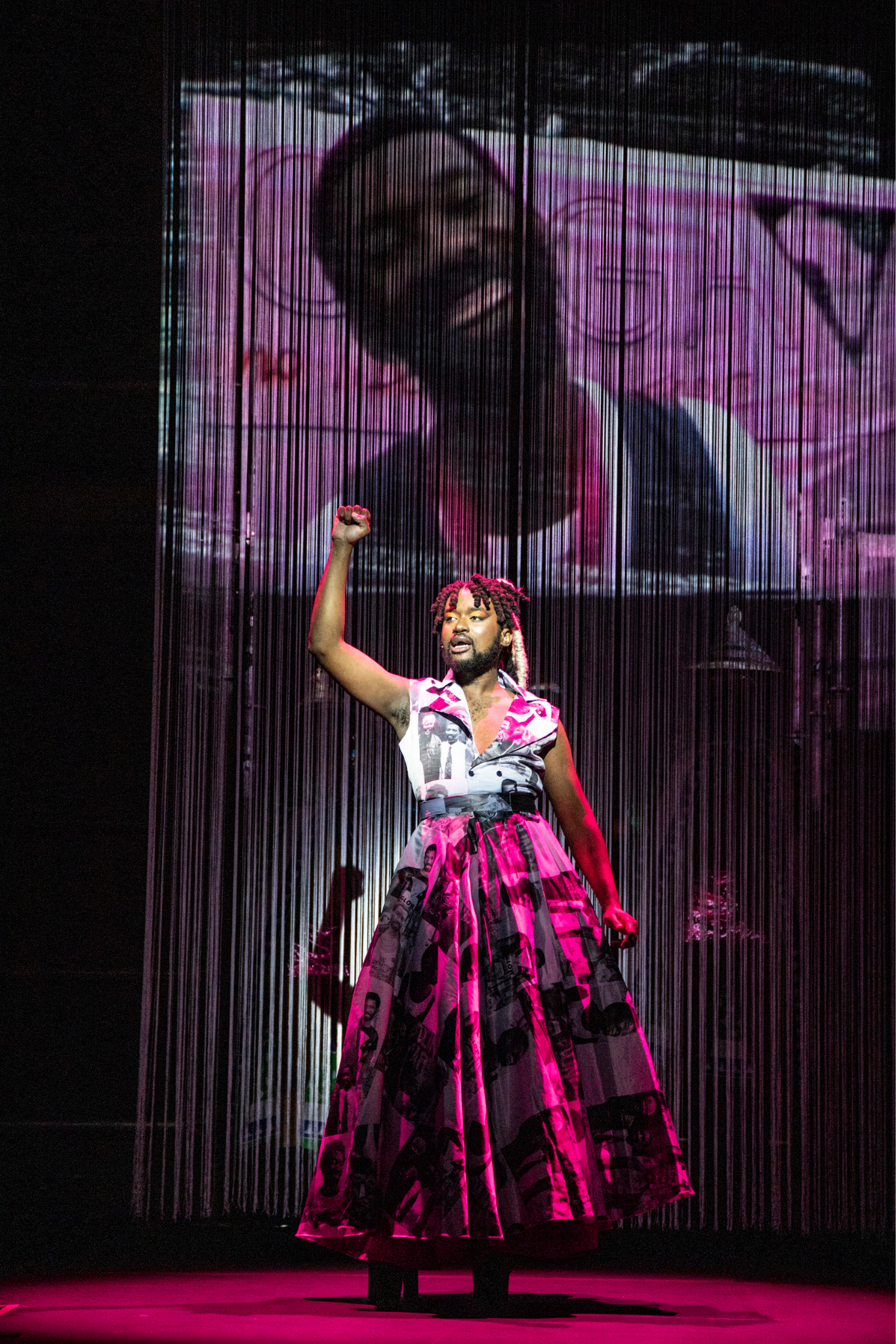
It covers Simon’s coming out in the loc’shun of Sebokeng; his imprisonment and trial for treason; the shunning by his comrades in the ANC because of his sexuality whilst in prison; and eventually his death from AIDS.
Dance. Opera. A classical music score. AIDS. Archives. Queer life and revolution. Celebration and commemoration. Love and death. What a mix!
Only our history and spirit could produce it!
As I wrote a few years ago, when I first saw it in an earlier iteration, it is destined for Broadway.
Now is the winter of our discontent
The last leaf on my mulberry tree has gone.
Hadadahs pick valiantly at the dry soil.
Poverty-hardened men inflict pain on the weakest amongst us, incited by the cruellest amongst us, where vicious and opaque people hide behind vicious keyboards.
But there’s still hope.
Soweto is Where It’s At: The day before the fiftieth anniversary of the June 16th uprising, Abdullah Ibrahim — “our Mozart” according to Madiba — left the stage for the last time, leaving forever hymns, symphonies of freedom infused with the rhythms of our resistance.
On June 16, 2,000 young people marched and completed the original route of the Soweto students of 1976. I was fortunate to be with them.
There was solidarity, dignity, history and hope in the air.
It’s something to build with and on.
Love and Peace,
Mark
Heywood
PS: One more bit of good news before I press Send: A court in South Africa has just ruled that children have a right to Early Childhood Development that must be fulfilled by the state. Well done to the activists and lawyers involved!
Written and researched by a human being. No AI involved.
The Justice and Activism Hub is a change tank for a time of change. We are committed to strengthening social justice struggles through connection, collaboration, coordination, convening and catalysing.
News from JAH is also now available here on Substack. The playlist of songs that I feature is available here. If you enjoyed this newsletter please forward it to other soul rebels. You can also contact me at markjamesheywood@gmail.com