
We no know how we and dem a-go work it out
But someone will have to pay
For the innocent blood
That they shed every day
Bob Marley, We and Dem, Uprising, 1980
Soul Rebels,
We live in an age of convulsion.
Social convulsion.
Political convulsion.
Every elite-enabled convulsion shatters the bodies, minds, and hopes of ordinary out-of-sight people.
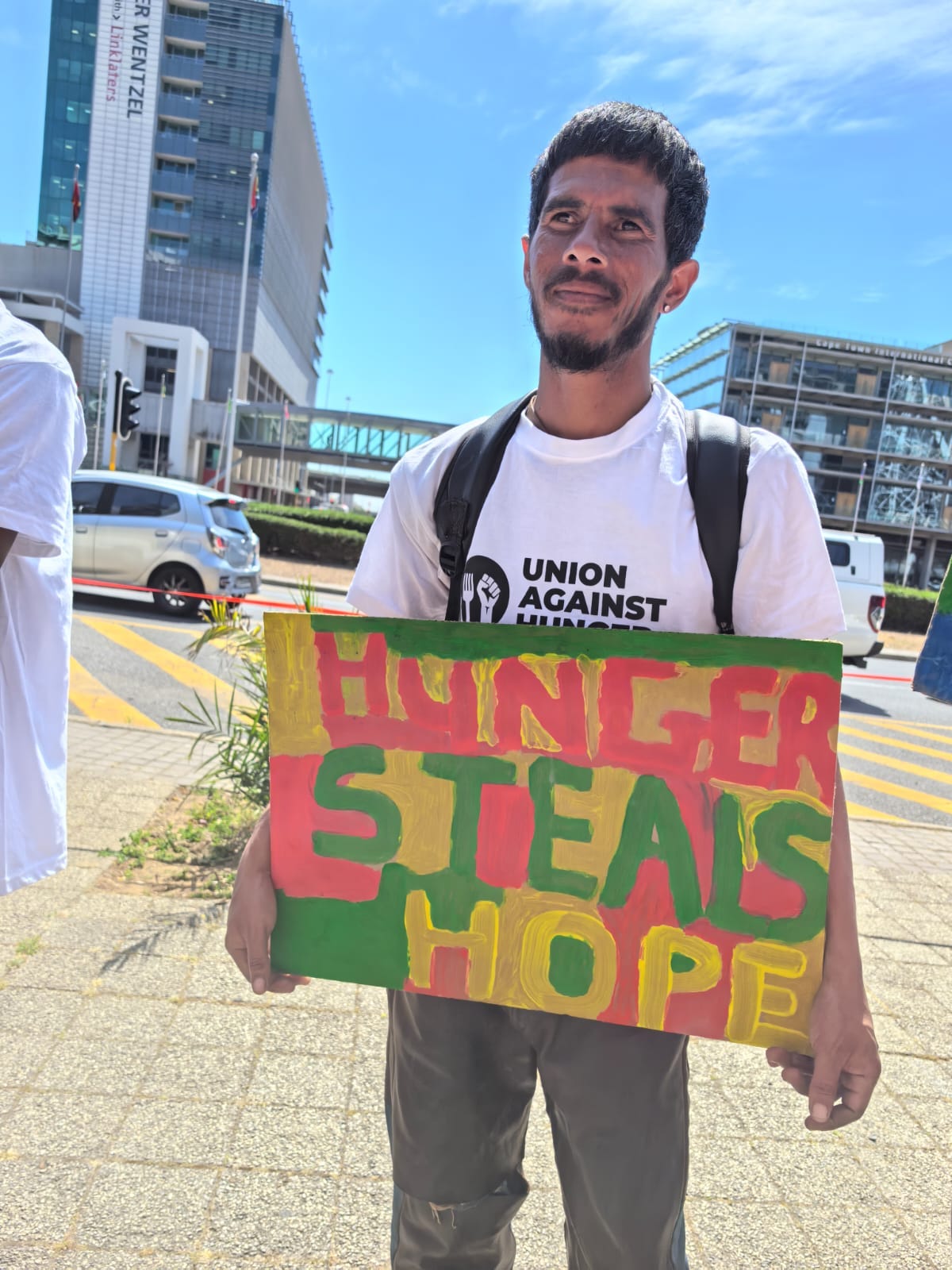
Call this the inverse butterfly effect: big people make ‘little’ decisions that ripple over the world and affect millions of ‘small’ people, denting their ability to live with/in dignity.
According to Edouard Louis, a young French writer whose harsh working class upbringing has shaped his acclaimed novels, “political decisions” made by people you have no connection with “ … are part of your physically intimate history.”
“It’s as intimate as when you first kiss someone”,
Except this is the intimacy of pain.
Because of pain, billions of people have become disaffected and alienated from formal politics. By not voting they think they are opting out of a system that harms them. But as Louis points out, poor people remain “completely subjected to politics” in myriad intimate ways.
Health systems are disabled, poor people die.
Carbon emissions are enabled, poor - people die.
Food prices rise, poor people die.
Bombs and bullets are enabled, people are disabled and demolished.
The cruelty of the 1%.
The elites grab more power and unprecedented wealth (Elon just hit $500 billion). The rest of us live in growing social and environmental precarity.
Ready yourself. Ready your community. An era of relatively peaceful human and economic expansion is over.
‘Peace what peace?’ Millions might ask.
The SDGs have been shot dead. Hayek’s Bastards are in power.
In The World After Gaza, Pankaj Mishra puts it this way “the phenomenon we confront .. has destroyed the necessary illusion that emerged after the defeat of fascism in 1945 of a common humanity underpinned by respect for human rights and a minimum of legal and political norms.”
Truth be told, we are in an age of war. There will be no peace until humans have found ways to live with each other — and with the sentient and insentient world — in a way that is not exploitative and damaging.
We live in an age of tipping points. We’ve passed the first one.
To use the overquoted words of poor Antonio Gramsci, written in the 1930s whilst he was in his Italian prison, a guest of the fascist Mussolini:
“The crisis consists precisely in the fact that the old is dying and the new cannot be born; in this interregnum a great variety of morbid symptoms appear”.
And, just as in the 1930s, prisons are filling again, this time with prisoners of poverty, politics and war.
Flags up: Hope and revolution ahoy!
But don’t despair!
There’s plenty of evidence that ‘the new’ is fighting for birth.
From Madagascar to Morocco, from Lima to Kathmandu, Gen Z is on the march again.
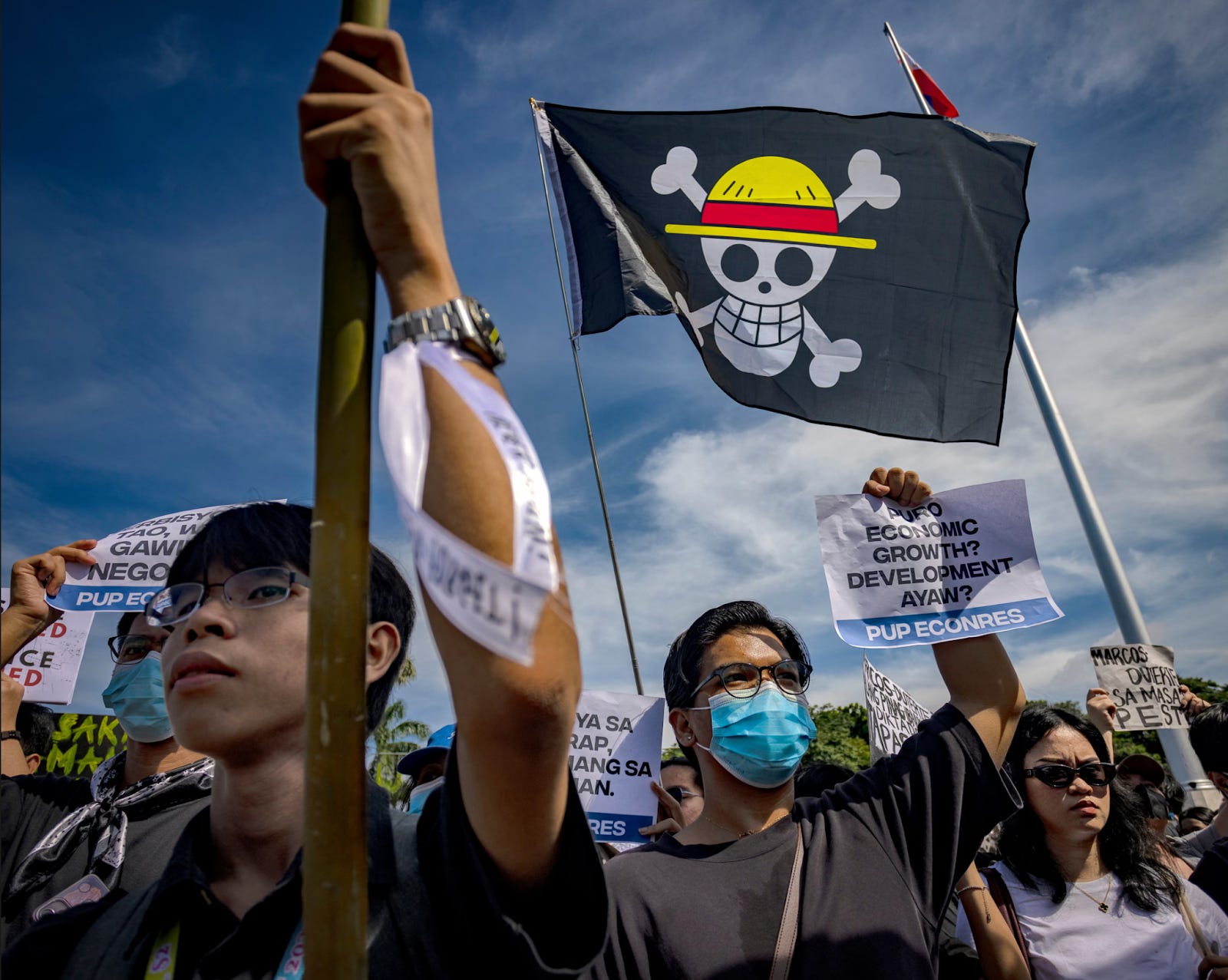
The unhealthy addiction with all things Trump that dominates the legacy news media, obscures these struggles. You might be forgiven if you think that in People vs the Oligarchs, the people are only losing.
We are not.
For example, in relation to the climate crisis.
In July the International Court of Justice (ICJ) handed down a game-changing ‘Advisory Opinion’ on states’ responsibilities in relation to climate change.
Read about it here: Historic climate change ruling from the International Court of Justice: what it means for Africa
In South Africa, in September, our Constitutional Court heard a vitally important case brought by fisher people of the Wild Coast challenging Shell regarding its offshore drilling and exploration on the Wild Coast.
Read about it here: Wild Coast fishing communities take battle against Shell to ConCourt
On No Kings Day 2.0, 18 October, at least seven million people took to streets across the USA.
Look at some of the photos: No Kings protests across the US: in pictures
To misquote the late Winnie Mandela, “With our human rights and our campaigns we can still liberate the world.”
(Re)thinking rights
If you are a reader of News from JAH you will have gathered that I am a great advocate for the organising power of human rights. I don’t want us to lose the international and domestic legal architecture that has been constructed on their foundation since the UDHR was signed in 1948.
But, much as our fundamental intrinsic rights (dignity, autonomy, life) are “inalienable,” the ’socio-economic rights’ that are meant to protect and empower our intimate selves need to adapt to address the wrongs of the era we live in.
The world of 2025 ain’t the world of 1948.
Consider this.
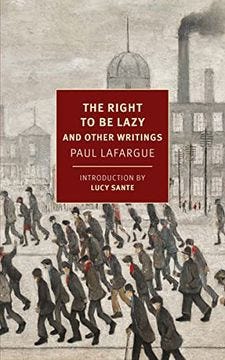
Nearly two centuries ago Paul Lafargue, Karl Marx’s son-in-law, wrote a little book titled, The Right to be Lazy. In those days capitalism was hungry for labour and cultivated the belief that ‘hard work’ is the natural state of life.
My dad and many generations of working class people believed this.
Today capitalism demands the opposite: Unpaid enforced idleness. An estimated 402 million people worldwide fill the global “jobs gap”.
Meanwhile, two billion people (61% of the global labour force) exist in precarious employment.
Decent employment has become a global scarcity.
The problem is it’s hard to be lazy without money.
This is why, more and more, access to money and income should be a human right.
This is the rationale that underlies the campaign for a Universal Basic Income.
My best friend sleeps in the afternoon when she’s tired.
My dad would have called that “lazy”.
Research overseen by Professor Dale Rae at the University of Cape Town (listen to this interview with her) has found a high prevalence of people whose “Fear around personal safety and the stresses of poverty make it impossible to access restorative sleep.”
“We call this sleep health inequity.” So, says the good Prof, “Sleep is a basic human right, but access to it is not equal.”
The consequences of sleep inequality are higher rates of depression and anxiety; increased risk of hypertension and cardiovascular disease; and daytime fatigue that undermines learning, employment, and quality of life.
If you are privileged like me, think for a moment of what it must be like to be fearful of going to sleep and living with perpetual tiredness.
Once again, …. The intimacy and invisibility of pain ….
Activists unusual: Rogues of the world unite
What is to be done?
Seasoned South African feminist activist Ishtar Lakani has launched Rogue Union. Ishtar calls it a home “Built for the Ones Who Never Fit the Mould.”
According to Ishtar, Rogue Union “began with a pattern we couldn’t unsee—changemakers running on empty, armed with tools that no longer worked.”
She says Rogue Union is a place “Where learning isn’t just brain-deep, but soul-deep.”
“Where training means building real muscles—not just getting a folder of PDFs.”
“Where community isn’t an afterthought, but the very thing that makes the whole thing work.”
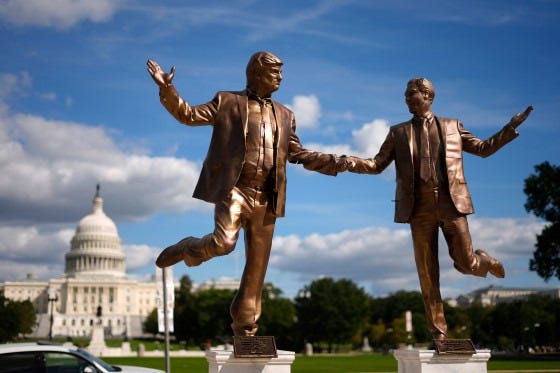
It’s where artivism, activism, laughtivism meet, like in this Statue of Donald Trump and Jeffrey Epstein that was erected outside the White House, removed by authorities … and then reappeared.
On another end of the world, in Edinburgh, I’ve been lucky to talk to another re-thinker.
Jen Ang is the founder of Lawmanity.
In her blog, The Long View, Jen has penned a wonderful collection of essays for everyday activists, that will make you feel human, on days when the pressure and responsibility of organising just seems a bit too much.
Her podcast on ways the law is being used to advance social justice in the UK (and everywhere) is also worth a listen.
Activist’s bookshelf: Arundathi Roy: A tonic for the times
What to read if you want something deeply rooted in our sad realities and the struggle to change them but simultaneously beautiful, poetic, unfamiliar and uplifting?
Arundathi Roy’s memoir, Mother Mary Comes to Me, is a tonic for our times.
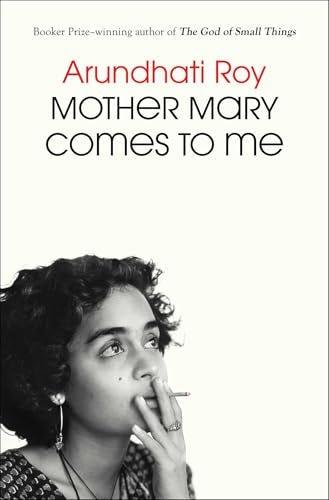
It’s a story of two indomitable women: ‘Mrs Roy (Mother Mary)’ - “Dreamer, Warrior, Teacher” - who beat tradition, law, patriarchy and poverty to live life according to her values.
And Arundathi, the daughter Mrs Roy berated and belittled, who fled from her bullying at the age of 18, made her own life, surprised herself when she won the Booker Prize for her first novel, became one of the world’s greatest writers, and eventually came back to love and treasure Mother Mary.
And to be loved by her.
“My shelter and my storm,” Arundathi calls her.
The tapestry to this two-women’s-stories-in-one memoir is India, its activism and great struggles, the rise of Hindu fascism a la Narendra Modi and Arundathi’s refusal to stop loving her country even when its government makes her its enemy.
Let them eat chaos
Although the 2025 Nobel prize for literature has been awarded to Hungarian author László Krasznahorkai, a man, women writers are proving far better at capturing our current human condition.
Reflecting on the writings of Olive Schreiner and Mary Wollstonecraft, Lyndall Gordon puts it like this: their aim went beyond fighting for gender equality. It was to “elicit what is distinctive to a woman’s experience - including womens’ ‘life-dispensing experience’ - with a view to constructing a different world.”
I have just read 2024 Nobel prize winner Han Kang’s We Do Not Part.
I receive Unmapped Storylands, Elif Shafak’s weekly reflection on substack.
Samartha Harvey’s novel Orbital is a paean to a planet in distress.
But in all the pain and suffering there is still poetry to be found in the everyday. Here is the existential contradiction that Han Kang points to in her 2024 Nobel acceptance lecture:
Why is the world so violent and painful?
And yet how can the world be this beautiful?
In a time of violence, the earth’s infinite beauty sustains us and gives us hope. Every day, men, women and children still find spaces and places to eke out joy.
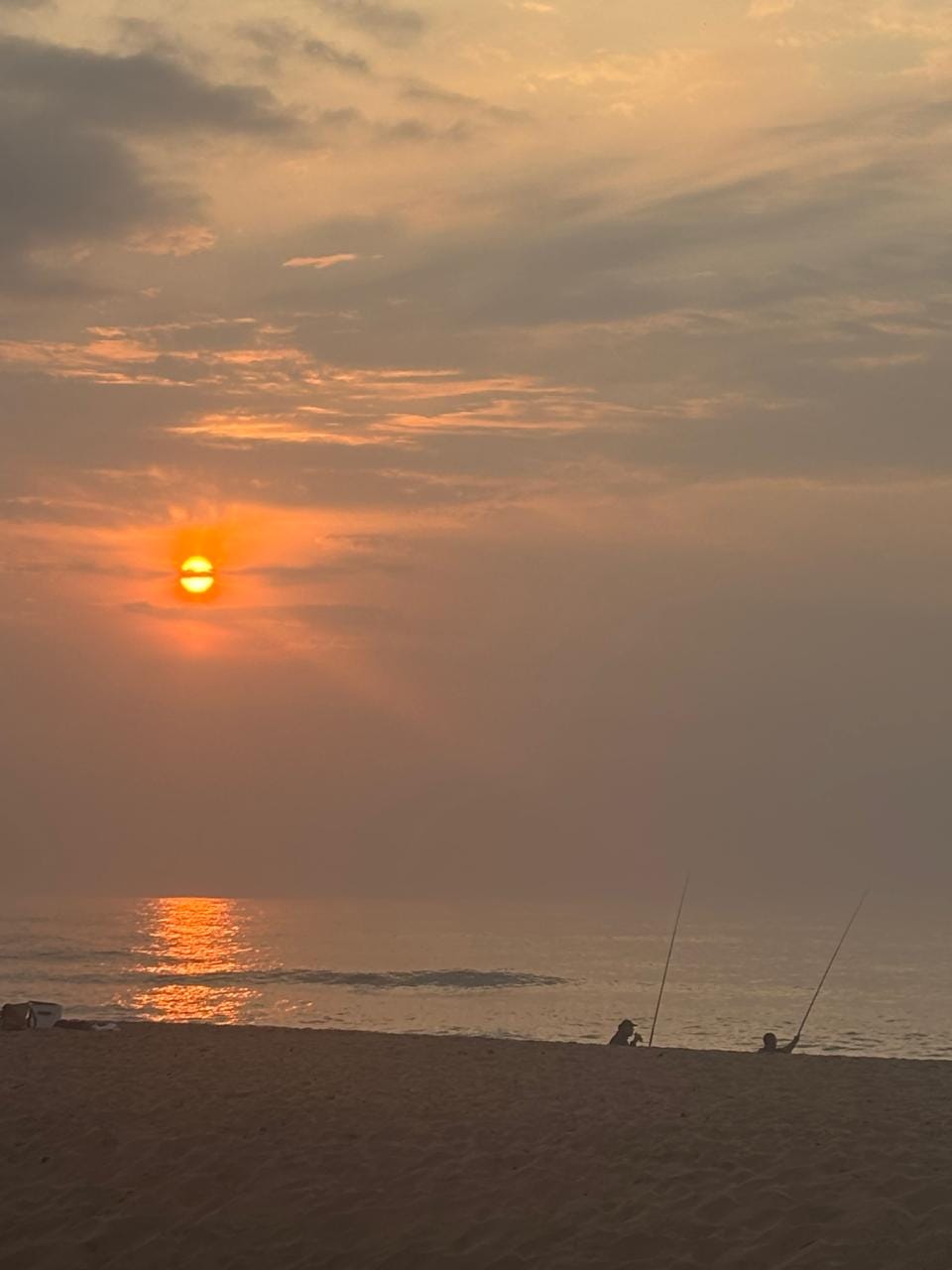
We’re still fishing for the sun.
Love and peace,
Mark
Heywood
If you enjoyed this newsletter please forward it to other soul rebels. They can subscribe by contacting me at markjamesheywood@gmail.com
News from JAH is also now available here on Substack!
The Justice and Activism Hub is a change tank for a time of change. We are committed to strengthening social justice struggles through connection, collaboration, coordination, convening and catalysing.